Feeling sluggish, unfocused, or battling persistent brain fog?
In today's demanding world, men are constantly seeking ways to enhance their cognitive function and maintain high energy levels throughout the day. The truth is, your brain is a high-performance engine, and like any engine, it requires the right fuel to operate at its best.
This isn't just about avoiding junk food; it's about strategically incorporating specific nutrients that directly impact neurotransmitter production, blood flow, and cellular energy. Discover how a targeted diet for mental performance can transform your daily energy and clarity, helping you conquer challenges with a sharper mind.

The Connection Between Diet, Energy, and Cognitive Function
Your brain consumes a disproportionate amount of your body's energy, even at rest. Providing it with a steady supply of high-quality nutrients is paramount for everything from memory recall to problem-solving and mood regulation. When your diet is lacking, your brain struggles, leading to the dreaded "brain fog" and persistent low energy.
Many men overlook the profound impact of their daily food choices on their mental state. It's not just about physical strength or muscle mass; it's about the intricate biochemical processes that govern thought, emotion, and reaction. A diet rich in processed foods, excessive sugars, and unhealthy fats can lead to chronic inflammation, blood sugar dysregulation, and nutrient deficiencies, all of which directly undermine cognitive performance and contribute to feelings of sluggishness.
Conversely, a well-planned diet for mental performance can optimize neurotransmitter synthesis, protect brain cells from oxidative stress, and ensure stable energy production. This means sharper focus, improved memory, quicker decision-making, and a more resilient mood. Let's dive into the specifics of what men should prioritize to unlock their full cognitive potential and sustain energy throughout their demanding lives.
💡 Key Takeaway
A balanced, nutrient-dense diet is fundamental for optimal brain function and sustained energy, directly impacting focus, memory, and mood. Poor dietary choices can lead to inflammation and nutrient deficiencies, manifesting as brain fog and chronic fatigue.
Essential Macronutrients for Brain Power and Energy
Macronutrients – carbohydrates, proteins, and fats – are the building blocks of your diet and the primary sources of energy for your body and brain. Getting the right balance is crucial for sustained mental performance.
Complex Carbohydrates: The Brain's Preferred Fuel
While carbohydrates sometimes get a bad rap, they are essential for brain function. The brain runs almost exclusively on glucose, derived from carbohydrates. The key is to choose complex carbohydrates over simple sugars. Complex carbs, found in whole grains, vegetables, and legumes, are digested slowly, providing a steady release of glucose into the bloodstream. This prevents the sharp spikes and crashes in blood sugar that can lead to energy dips and mental fog. Opt for foods like brown rice, oats, quinoa, sweet potatoes, and whole-wheat bread to maintain stable energy and focus.
Lean Proteins: Building Blocks for Neurotransmitters
Proteins are not just for muscles; they are vital for brain health. Amino acids, the components of protein, are precursors to neurotransmitters like dopamine, serotonin, and norepinephrine, which regulate mood, focus, and alertness. Including lean protein sources in every meal helps stabilize blood sugar and provides the necessary raw materials for optimal brain chemistry. Excellent choices for men include chicken breast, turkey, fish (especially fatty fish), eggs, lean beef, lentils, and beans. A consistent intake of quality protein supports sustained cognitive function and prevents mental fatigue.
Healthy Fats: Crucial for Brain Structure and Function
Your brain is nearly 60% fat, making healthy fats absolutely critical for its structure and function. Omega-3 fatty acids, particularly DHA, are integral components of brain cell membranes and play a significant role in reducing inflammation and supporting synaptic plasticity, which is essential for learning and memory. Incorporate sources like fatty fish (salmon, mackerel, sardines), walnuts, chia seeds, and flaxseeds. Monounsaturated fats from avocados, olive oil, and nuts also contribute to overall brain health and provide sustained energy without the mental sluggishness associated with unhealthy saturated or trans fats.
Key Micronutrients for Enhanced Mental Clarity
Beyond macronutrients, a host of vitamins and minerals play specific, indispensable roles in supporting cognitive function and energy metabolism. Deficiencies in these micronutrients can be a major contributor to low energy and mental fog.
B Vitamins: The Energy Powerhouses
The entire B-vitamin complex (B1, B2, B3, B5, B6, B7, B9, B12) is vital for energy production and neurological function. They help convert food into glucose, synthesize neurotransmitters, and maintain nerve cell health. Vitamin B12, in particular, is crucial for nerve function and the formation of red blood cells, which carry oxygen to the brain. Deficiencies can lead to fatigue, memory problems, and mood disturbances. Good sources include lean meats, eggs, dairy, leafy greens, and fortified cereals.
Antioxidants (Vitamins C, E, Beta-Carotene): Protecting Your Brain
Your brain is highly susceptible to oxidative stress, which can damage cells and impair cognitive function. Antioxidants combat this by neutralizing harmful free radicals. Vitamin C (citrus fruits, bell peppers), Vitamin E (nuts, seeds, spinach), and Beta-Carotene (carrots, sweet potatoes) are powerful antioxidants that protect brain cells, support blood flow, and may slow cognitive decline. Incorporate a rainbow of fruits and vegetables into your diet to maximize your antioxidant intake.
Magnesium: The Stress Reducer and Focus Enhancer
Often called "nature's tranquilizer," magnesium is involved in over 300 biochemical reactions in the body, including those that regulate nerve and muscle function, blood glucose control, and blood pressure. For the brain, it supports neurotransmitter function, reduces inflammation, and helps manage stress, all of which contribute to better focus and sustained energy. Rich sources include dark leafy greens, nuts, seeds, legumes, whole grains, and dark chocolate.
Zinc: Memory and Learning
Zinc plays a critical role in nerve signaling and is essential for memory formation and learning. A deficiency can lead to impaired cognitive function and reduced alertness. Men can ensure adequate zinc intake through red meat, poultry, oysters, beans, nuts, and whole grains.
Iron: Oxygen Transport
Iron is crucial for transporting oxygen in the blood, including to the brain. An iron deficiency (anemia) can cause fatigue, weakness, and impaired cognitive function. While important, excessive iron can also be harmful, so it's best to get it from food sources like lean red meat, poultry, fish, beans, and spinach, or consult a doctor before supplementing.
Foods to Prioritize for Peak Mental Performance
Beyond individual nutrients, certain food groups stand out for their holistic benefits to brain health and energy levels. Make these staples in your daily diet.
Fatty Fish (Salmon, Mackerel, Sardines)
Rich in Omega-3 fatty acids, especially DHA, which is crucial for brain structure and function. Omega-3s reduce inflammation, improve memory, and support neurotransmitter health, leading to better mood and focus. Aim for at least two servings per week.
Berries (Blueberries, Strawberries, Raspberries)
Packed with antioxidants, particularly flavonoids, which can improve memory and cognitive function. Blueberries, often called "brainberries," have been shown to enhance communication between brain cells and protect against age-related cognitive decline. They also provide natural sugars for energy without the crash.
Leafy Green Vegetables (Spinach, Kale, Broccoli)
These are powerhouses of vitamins K, Lutein, Folate, and Beta-carotene, all linked to brain health. They help slow cognitive decline, improve memory, and provide essential nutrients for overall cellular function. Incorporating them daily can significantly boost your mental resilience.
Nuts and Seeds (Walnuts, Almonds, Chia Seeds)
Excellent sources of healthy fats, protein, and Vitamin E. Walnuts are particularly high in omega-3s, while almonds offer Vitamin E which protects brain cells. Seeds like chia and flax also provide plant-based omega-3s and fiber for stable energy release. They make great healthy snacks.
Whole Grains (Oats, Quinoa, Brown Rice)
Provide a steady supply of glucose, the brain's primary fuel, ensuring consistent energy levels and preventing mental fatigue. Their high fiber content also aids in blood sugar regulation, making them superior to refined grains for sustained focus.
Avocados
Rich in monounsaturated fats, which promote healthy blood flow to the brain. They also contain Vitamin K and Folate, which improve cognitive function, especially memory and concentration. Avocados are also a good source of potassium, essential for nerve function.
Hydration: The Unsung Hero of Mental Clarity
It's easy to overlook, but adequate hydration is absolutely critical for optimal brain function and energy levels. Your brain is approximately 75% water, and even mild dehydration can have a significant impact on your cognitive abilities.
Studies have shown that even a 1-3% loss of body weight due to fluid depletion can lead to impaired mood, reduced concentration, decreased alertness, and headaches. For men, who often have higher muscle mass and activity levels, the need for consistent hydration is even more pronounced. Your brain needs water to produce hormones and neurotransmitters, transport nutrients, and remove waste products. When you're dehydrated, these processes slow down, leading to brain fog, fatigue, and difficulty focusing.
Aim to drink at least 8-10 glasses of water per day, and more if you are exercising, in a hot climate, or consuming dehydrating beverages like coffee and alcohol. Keep a water bottle handy and sip throughout the day. Herbal teas, diluted fruit juices, and water-rich foods like fruits and vegetables also contribute to your daily fluid intake. Prioritizing hydration is one of the simplest yet most effective strategies for maintaining peak mental performance and energy.
💡 Key Takeaway
Dehydration, even mild, significantly impairs cognitive function, mood, and energy. Consistent intake of 8-10 glasses of water daily is crucial for optimal brain performance and preventing mental fog.
The Importance of Meal Timing and Frequency
It's not just what you eat, but when and how often you eat, that impacts your mental performance and energy levels. Strategic meal timing can help maintain stable blood sugar and provide a continuous supply of fuel to your brain.
Skipping meals, especially breakfast, can lead to significant drops in blood sugar, resulting in irritability, difficulty concentrating, and a noticeable dip in energy. For men striving for peak mental output, a consistent eating schedule is paramount. Aim for three balanced meals and 1-2 healthy snacks throughout the day. This approach helps to:
- Stabilize Blood Sugar: Prevents the roller-coaster effect of energy spikes and crashes.
- Sustain Energy: Provides a continuous supply of glucose to the brain, maintaining alertness.
- Improve Focus: Reduces distractions caused by hunger or low energy.
- Optimize Nutrient Absorption: Spreading nutrient intake can improve the body's ability to absorb and utilize vitamins and minerals.
Ensure each meal includes a balance of complex carbohydrates, lean protein, and healthy fats. For example, a breakfast of oatmeal with berries and nuts, a lunch with grilled chicken and a large salad, and a dinner of salmon with quinoa and steamed vegetables. Healthy snacks like a handful of almonds, an apple with peanut butter, or Greek yogurt can bridge the gaps between meals and keep your brain fueled. Consistent meal timing is a powerful, often underestimated, tool in your arsenal for enhanced mental performance.
Foods to Limit or Avoid for Optimal Brain Health
Just as certain foods boost mental performance, others can actively hinder it. Reducing your intake of these items is as important as increasing beneficial foods.
Processed Foods & Added Sugars
High consumption of processed foods, sugary drinks, and refined carbohydrates can lead to rapid blood sugar spikes followed by crashes, causing energy dips, irritability, and impaired cognitive function. These foods also contribute to inflammation, a known enemy of brain health.
Trans Fats & Hydrogenated Oils
Found in many fried foods, baked goods, and some margarines, trans fats are detrimental to cardiovascular health and, by extension, brain health. They can increase inflammation and have been linked to a higher risk of cognitive decline.
Excessive Alcohol
While moderate alcohol consumption might have some benefits, excessive intake is a neurotoxin that can impair memory, judgment, and coordination. Chronic heavy drinking can lead to significant long-term brain damage and nutrient deficiencies.
Excessive Caffeine
While a moderate amount of caffeine can boost alertness, over-reliance can lead to jitters, anxiety, and disrupt sleep patterns, which are crucial for cognitive restoration. It's best used strategically, not as a substitute for real energy from food and rest.
Lifestyle Factors Complementing Your Diet
Diet is a cornerstone of mental performance, but it's part of a larger wellness ecosystem. Integrating other healthy lifestyle choices will amplify the benefits of your optimized eating habits.
Regular Physical Activity: Exercise increases blood flow to the brain, delivering more oxygen and nutrients. It also stimulates the release of growth factors that support the survival and growth of brain cells, improving memory and overall cognitive function. Aim for at least 150 minutes of moderate-intensity exercise per week.
Adequate Sleep: Sleep is when your brain repairs itself, consolidates memories, and clears out metabolic waste. Chronic sleep deprivation leads to significant impairments in focus, decision-making, and emotional regulation. Prioritize 7-9 hours of quality sleep per night. For more on this, read our article on Sleep and Male Energy: Combating Mental Fog.
Stress Management: Chronic stress can release hormones like cortisol that are detrimental to brain health, potentially shrinking areas involved in memory and learning. Techniques such as meditation, deep breathing exercises, yoga, or spending time in nature can significantly mitigate stress's negative impact on your mind.
Mental Stimulation: Just like muscles, your brain needs to be challenged to stay sharp. Engage in activities that stimulate your mind, such as learning a new skill, reading, solving puzzles, or engaging in intellectual discussions.
By combining a nutrient-rich diet with these essential lifestyle factors, men can create a powerful synergy that optimizes their mental performance, boosts energy, and fosters long-term brain health.
How Supplements Can Bridge Nutritional Gaps
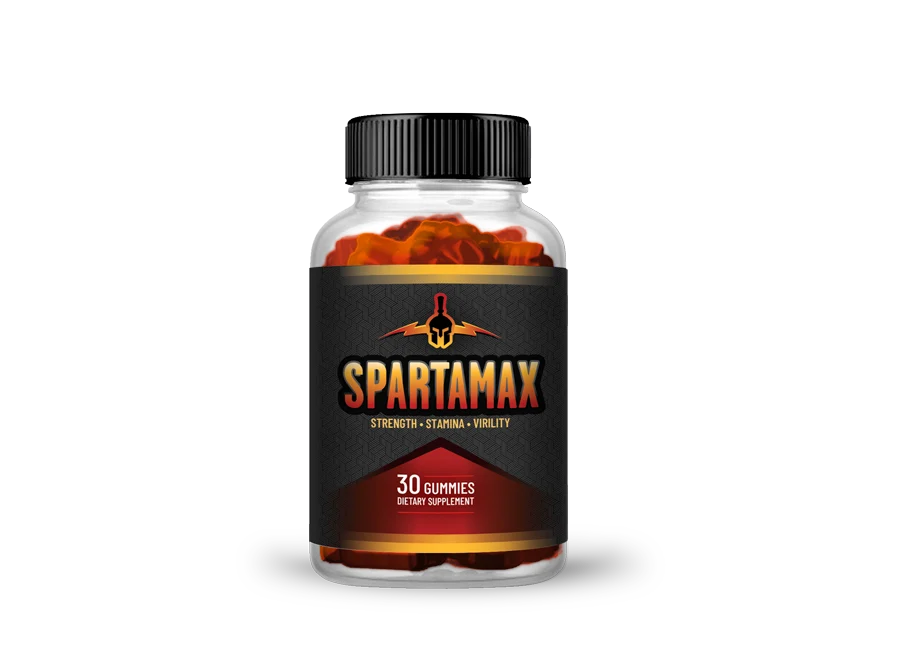
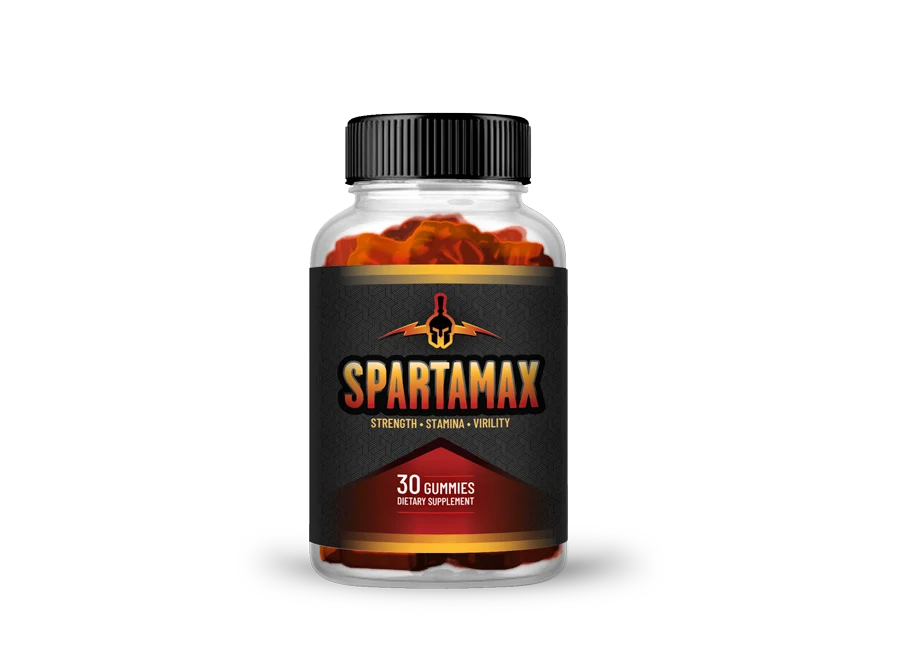
While a foundational diet is paramount, modern lifestyles, soil depletion, and individual needs can sometimes create nutritional gaps. For men seeking an extra edge in mental performance and energy, targeted supplementation can offer valuable support. SpartaMax is formulated with several key ingredients known for their benefits in these areas.

L-Arginine
Role: A powerful amino acid that helps the body produce nitric oxide (NO), a vasodilator. Increased NO promotes better blood flow to the brain and muscles, enhancing oxygen and nutrient delivery, which can improve cognitive function and reduce mental fatigue.
250-500mg daily
Ashwagandha
Role: An adaptogenic herb renowned for its ability to reduce stress and anxiety, which can significantly improve focus and mental clarity. It also supports energy levels by improving cellular energy production and overall vitality, helping to combat brain fog.
300-600mg daily
Beetroot Powder
Role: Rich in nitrates, which the body converts into nitric oxide. Similar to L-Arginine, this improves blood flow, especially to the brain, enhancing cognitive function, reaction time, and reducing mental fatigue during prolonged tasks. It's also great for physical stamina and endurance.
500-1000mg daily
Maca Root
Role: A Peruvian superfood known for boosting energy, stamina, and mood without the jitters associated with caffeine. It can improve mental clarity and focus by supporting hormonal balance and providing a rich array of nutrients that fuel the brain.
500-1500mg daily
Grape Seed Extract
Role: A powerful antioxidant that protects brain cells from oxidative damage and inflammation. It also supports healthy blood vessels, ensuring efficient nutrient and oxygen delivery to the brain, which contributes to sharper cognitive function and mental energy.
100-300mg daily
Horny Goat Weed
Role: Traditionally used to support vitality and energy. While often associated with physical performance, its potential to improve circulation and reduce fatigue can indirectly contribute to improved mental alertness and sustained energy throughout the day.
250-500mg daily
Tongkat Ali
Role: An herb that may help optimize hormone levels, particularly testosterone, which is crucial for men's energy, mood, and cognitive function. By supporting overall vitality, it can help reduce feelings of fatigue and improve mental drive and focus.
200-400mg dailyFor men looking for a convenient way to incorporate these beneficial ingredients, SpartaMax offers a comprehensive blend designed to support natural energy, mental clarity, and overall male performance. You can learn more about its availability at where to buy SpartaMax.

Ready to Unleash Your Full Mental Potential?
Don't let low energy and brain fog hold you back. SpartaMax is a premium, all-natural supplement formulated to support men in achieving peak mental performance and sustained energy.
- ✓ Enhances Mental Clarity & Focus
- ✓ Boosts Natural Energy Levels
- ✓ Supports Healthy Blood Flow to the Brain
- ✓ Reduces Stress & Fatigue
- ✓ Made with Clinically Studied Ingredients




What Our Customers Say
"Before SpartaMax, my afternoons were a blur of brain fog and fatigue. Now, I feel sharp and energized from morning till evening. My focus at work has dramatically improved, and I'm more present with my family."
"I was skeptical about supplements, but after reading about the ingredients, I gave SpartaMax a try. The difference in my mental clarity and sustained energy is undeniable. I feel like I'm back in my prime, both mentally and physically."
"As a busy professional, I needed something to help me stay sharp. SpartaMax delivered. The natural energy boost is smooth, and I no longer struggle with that mid-day slump. Highly recommend for any man looking to optimize his performance."
Frequently Asked Questions
What is the best diet for men to improve mental performance?
+A balanced diet rich in whole foods, lean proteins, healthy fats, complex carbohydrates, and micronutrients is crucial. Focus on anti-inflammatory foods, adequate hydration, and consistent meal timing.
Can specific foods really help with brain fog and low energy?
+Absolutely. Foods rich in omega-3 fatty acids, antioxidants, B vitamins, and magnesium can significantly improve cognitive function, reduce inflammation, and provide sustained energy.
How does hydration impact mental clarity and energy levels?
+Even mild dehydration can impair cognitive function, mood, and energy. Aim for at least 8-10 glasses of water daily, and more if you're active or in a hot climate.
Are there any supplements that can support diet for mental energy?
+While diet is primary, certain supplements like L-Arginine, Ashwagandha, Maca Root, and Beetroot can offer additional support for energy, focus, and overall vitality. SpartaMax is one such option.
How important is meal timing for sustained mental performance?
+Consistent meal timing helps stabilize blood sugar, preventing energy crashes and maintaining focus. Spreading nutrient intake throughout the day supports continuous brain fuel.
What role do healthy fats play in brain health for men?
+Healthy fats, particularly omega-3s, are vital for brain structure and function, neurotransmitter production, and reducing inflammation, all of which are critical for sharp mental performance.
Related Articles